Health and Safety Policy for Cleaners Brent
 Cleaners Brent operate with a clear commitment to protecting staff, clients, visitors, and the public. This health and safety policy sets out the standards expected during cleaning work, with a focus on safe working practices, hazard control, and responsible behaviour in every setting. Whether tasks are carried out in offices, communal areas, retail spaces, or other managed premises, the same principle applies: safety comes before speed.
All cleaning activities must be planned and carried out in a way that reduces risk. This includes using suitable equipment, handling substances correctly, and keeping work areas orderly. Every cleaner is expected to remain alert to possible hazards such as slippery floors, electrical equipment, manual handling strain, and exposure to chemicals. A safe cleaning service depends on preparation, communication, and consistent attention to detail.
Management and cleaners share responsibility for maintaining a safe environment. Supervisors must provide clear instructions, appropriate training, and suitable resources, while cleaners must follow procedures, report concerns promptly, and use equipment properly. The policy applies to all routine cleaning, periodic deep cleaning, and one-off tasks performed under the Brent cleaners name.
Risk assessment is the starting point for safe work. Before any job begins, hazards should be identified and reviewed, especially where floors may be wet, surfaces may be fragile, or access is restricted. Cleaners should not enter an area until it is safe to do so, and any unusual risk must be reported before work proceeds. This approach helps reduce avoidable incidents and supports a professional standard of care.
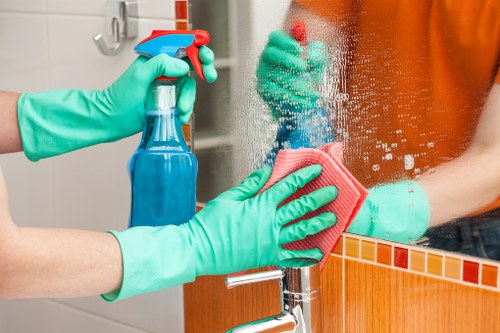
Cleaning products must be used exactly as instructed. Only approved materials should be selected, and all containers must be labelled clearly. Staff should never mix chemicals unless specifically trained to do so. Gloves, eye protection, and other personal protective equipment should be worn whenever required. The aim is to limit exposure while ensuring the work is completed effectively and safely.
Good housekeeping is essential. Tools, cords, mops, and warning signs must be stored neatly and used in a way that does not create trip hazards. When floors are washed or polished, clear signage should be placed immediately. By keeping the work area tidy, Brent cleaning professionals reduce the chance of injury and maintain a more secure environment for everyone present.
 Cleaners must also consider manual handling. Lifting bins, moving supplies, and carrying equipment can cause strain if done incorrectly. Where possible, loads should be reduced, split into smaller amounts, or moved using trolleys and other aids. Staff are expected to use safe posture, avoid twisting, and ask for assistance when a task is too heavy or awkward. Preventing injury is always preferable to dealing with its consequences.
 Electrical safety is another important part of the policy. Before cleaning near sockets, appliances, or machinery, power sources should be checked and, where necessary, isolated by authorised personnel. Water must never be used where it could create a danger around live equipment. Cables should be kept clear of walkways, and any damaged plugs, leads, or devices must be reported immediately. Careful handling of electrical risks is central to safe cleaner operations in Brent.
Training and supervision support consistent standards. New staff should receive induction covering hazard awareness, safe use of materials, emergency procedures, and expected conduct. Refresher training may be needed when methods change, equipment is introduced, or incidents indicate a need for improvement. A well-informed team is better able to work confidently and maintain high safety standards across all assignments.
Accident reporting must be prompt and accurate. Any injury, near miss, spill, breakage, or unsafe condition should be recorded and shared with the appropriate supervisor without delay. Quick reporting helps prevent repeat incidents and allows corrective action to be taken. This process should be treated as part of normal professional practice, not as an exception.
Emergency readiness is also required. Cleaners should know the location of exits, assembly points, fire equipment, and first aid resources in the premises where they work. In the event of fire, chemical exposure, flooding, or another serious incident, staff must stop work and follow the agreed emergency procedure. Calm and organised action protects people and limits disruption.
 Brent cleaners are expected to respect the safety of others while carrying out their duties. This means keeping noise low where needed, avoiding obstruction of pathways, and working in a considerate manner around building users. If children, vulnerable adults, or busy public areas are involved, extra caution must be used. A professional cleaner is not only efficient but also mindful of the environment in which the work takes place.
Health protection is equally important. Repeated exposure to dust, fumes, moisture, or harsh cleaning agents may affect wellbeing over time, so controls should be used to reduce contact wherever practical. Breaks, hydration, and sensible pacing help support safe performance throughout the day. Staff should also speak up if a task affects their health, as early action can prevent larger problems later.
Reviewing the policy helps keep it effective. Procedures should be checked regularly to make sure they remain suitable, especially when equipment, materials, or working conditions change. Improvements can be made through observation, incident review, and professional judgement. The goal is a practical, living policy that supports everyday cleaning work while protecting everyone involved.
 In summary, the Health and Safety Policy for Cleaners Brent is built on prevention, awareness, and responsibility. By assessing risk, using products correctly, handling equipment safely, and reporting concerns quickly, cleaners can deliver reliable results without compromising wellbeing. This commitment to safe practice helps create cleaner spaces, healthier teams, and a stronger standard of service.