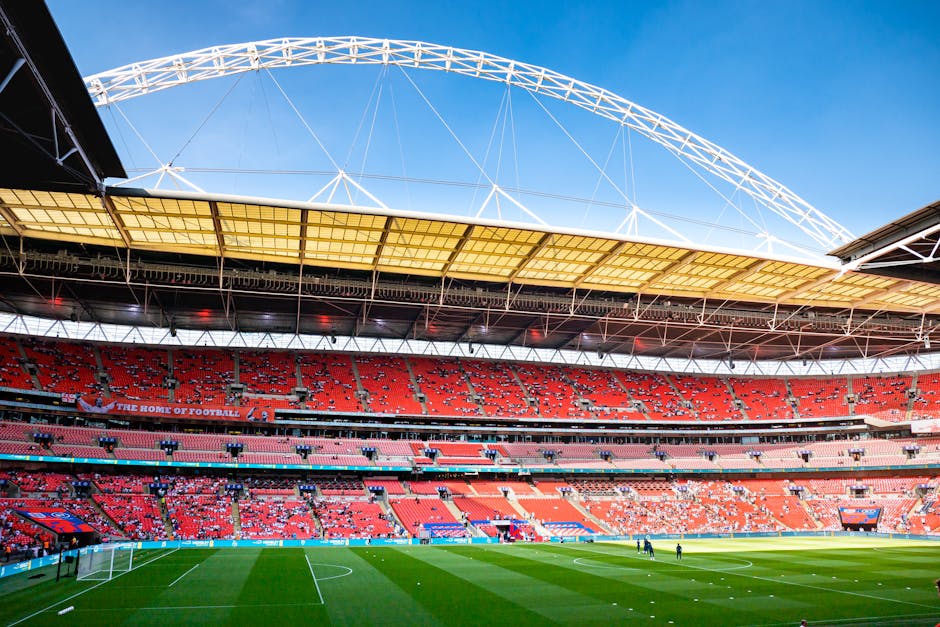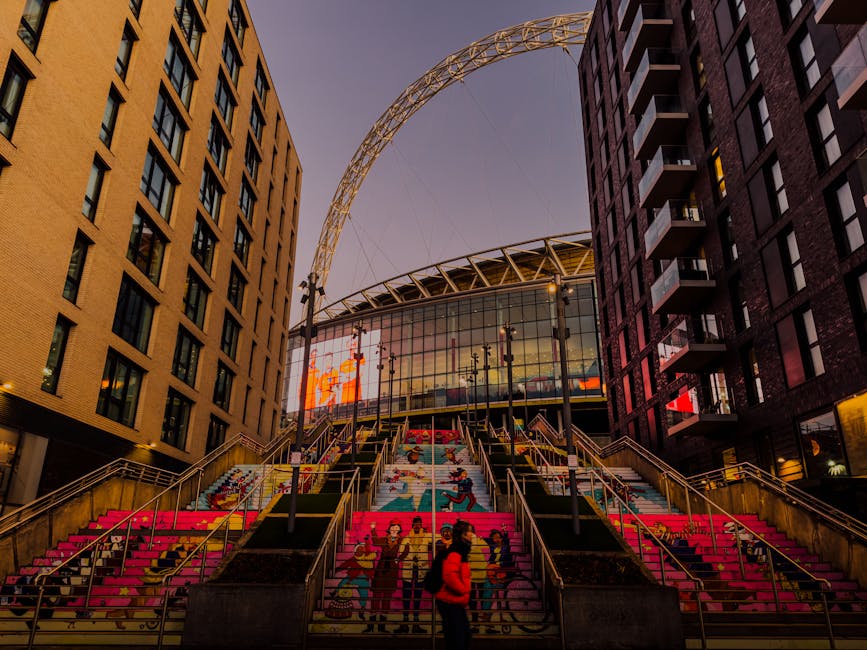
Wembley Stadium Event Cleaning Services Brent: A Practical Guide for Smooth, Professional Event Turnarounds
If you've ever watched a stadium venue empty out after a big night, you'll know the shift is immediate. One minute there's noise, confetti, cups, spills, and heavy footfall; the next, everything needs to be reset quickly and properly. That is exactly where Wembley Stadium event cleaning services Brent come in. For organisers, venue teams, contractors, and local businesses supporting event days, the cleaning plan is not just a tidy-up. It's a vital part of making the venue safe, presentable, and ready for whatever comes next.
In practice, this kind of service has to deal with pressure, timing, and scale. It also has to fit around strict access windows, mixed waste streams, changing weather, and the reality that large events create messy, unpredictable spaces. This guide breaks down how event cleaning around Wembley Stadium works, what to expect, and how to choose a team that can handle the job without drama. Let's face it, the best cleaning work is often the kind nobody notices because everything simply feels under control.
Why Wembley Stadium event cleaning services Brent Matters
Event cleaning around a major venue is different from normal commercial cleaning. The work is time-sensitive, highly visible, and usually tied to a hard deadline. If the floors are still sticky, the toilets are not reset, or waste is left in public-facing areas, the whole operation feels behind before the next day even begins. That can affect customer experience, staff morale, and the venue's wider reputation.
Brent is also a busy part of London. Event traffic, hospitality demand, and nearby transport links mean there is often a very narrow window to get things done. Cleaning crews may need to work late at night, very early in the morning, or in short turnarounds between event phases. That makes planning just as important as the physical cleaning itself.
For a venue like Wembley Stadium, the stakes are obvious. There may be premium hospitality areas, back-of-house corridors, washrooms, public concourses, loading areas, and exterior spaces all needing different treatment. One section may need rapid litter picking; another may need detailed sanitising; another may need specialist floor care. A one-size-fits-all approach is a bit of a disaster waiting to happen.
There is also a safety angle. Wet floors, broken glass, food waste, and overflowing bins create slip and contamination risks. A professional team understands how to isolate areas, clean methodically, and leave spaces usable again without creating avoidable hazards. That is why event cleaning is not a luxury add-on. It is part of event management.
If your operation involves broader commercial support, it can also help to understand the wider cleaning ecosystem. Many venues and contractors in Brent use services such as commercial cleaning for routine upkeep and deep cleaning when a more intensive reset is needed between busy periods.
How Wembley Stadium event cleaning services Brent Works
Good event cleaning starts before the first guest arrives. The cleaner the plan, the calmer the night. A proper service usually begins with a site walk or a clear briefing so the team understands the footprint, the event type, likely waste volumes, sensitive surfaces, and the timing of access. That early prep avoids confusion when the venue gets busy.
Most event cleaning work falls into three phases:
- Pre-event preparation - setting waste stations, checking supplies, identifying high-touch points, and preparing response plans for spills and restrooms.
- Live event support - litter picking, washroom monitoring, bin emptying, spot cleaning, and fast response to incidents while the event is still running.
- Post-event turnaround - full clearance of rubbish, sanitising surfaces, floor care, stain removal, and resetting the venue for reopening or the next function.
In busy venues, those phases can overlap. For instance, one crew might be dealing with post-concert debris outside while another handles internal hygiene in washrooms and hospitality zones. A strong supervisor keeps the operation moving and prioritises the highest-risk or highest-traffic areas first.
Materials and methods matter too. Hard floors may need different treatment from carpets; upholstery will need careful spot cleaning; glass and metal finishes need streak-free attention; outdoor areas often need pressure-free but thorough debris removal. If the event includes temporary catering or VIP seating, you may also need targeted support from hard floor cleaning, carpet cleaning, or upholstery cleaning depending on the surfaces involved.
The key thing is coordination. Event cleaning works best when cleaners, venue management, caterers, and security all know who is responsible for which zone. When that is clear, the whole site feels much easier to control.
Key Benefits and Practical Advantages
There are some obvious benefits, but the real value goes a bit deeper than just "making things look nice." Event cleaning protects the pace, safety, and finish of the whole operation.
- Faster venue reset - less downtime between event close and the next use.
- Better guest experience - clean entrances, tidy seating areas, and usable washrooms leave a much stronger final impression.
- Reduced slip and trip risk - spills, dropped drinks, and debris are handled before they become incidents.
- Cleaner back-of-house operations - staff areas and service corridors stay manageable instead of becoming a mess.
- Improved waste handling - recycling and general waste can be separated properly rather than being dumped into one pile.
- Lower strain on venue teams - in-house staff can focus on running the event rather than scrambling with mops and bin bags.
There's also a reputation benefit people sometimes underestimate. Guests do notice when a venue feels cared for. They notice the crisp smell of a freshly cleaned foyer, the lack of sticky residue underfoot, and the fact that toilets are checked and restocked. It all adds up. Quietly, but powerfully.
If your event involves more than one type of cleaning need, it may help to pair event support with services such as window cleaning for frontage and entry points, or communal area cleaning where shared access routes see heavy foot traffic.
Who This Is For and When It Makes Sense
These services make sense for a wide range of people, not just stadium operators. Truth be told, once you look at all the moving parts around a large event, the list gets pretty long.
- Event organisers managing concerts, sports events, exhibitions, or fan experiences
- Venue managers responsible for fast turnarounds and public presentation
- Catering and hospitality teams needing support after food service and bar areas have been active
- Security and operations teams that need debris, spill, and waste risks cleared quickly
- Facilities managers overseeing cleaning standards across internal and external zones
- Temporary contractors working on live event setups and pack-downs
It is especially sensible when the event creates a mix of mess types. A football match with high footfall, a post-game hospitality function, and outdoor crowd movement will not create the same waste profile as a small conference. A concert with drinks, food, confetti, and late-night departures can be a whole different beast again.
Small clue, but important: if you already know the venue will need intensive recovery work, don't wait until after the event. Cleaning support should be built into the event plan. Otherwise the team is always one step behind, and that is never where you want to be.
Step-by-Step Guidance
If you are organising Wembley Stadium event cleaning services Brent, this is the simplest way to think about the process.
- Define the event footprint. List every area that may need attention: entrances, seating, toilets, hospitality, back-of-house, loading bays, exterior walkways, and any temporary structures.
- Identify cleaning priorities. Decide what must be handled live, what can wait until after the event, and what needs specialist attention.
- Estimate waste and spill risk. Food-heavy events, alcohol service, and outdoor crowding usually need more frequent checks. No surprise there.
- Confirm access and timing. Make sure the cleaning team knows when they can enter, which doors to use, and who signs them in and out.
- Assign a supervisor or contact. One point of contact cuts down on confusion, especially when changes happen mid-event.
- Prepare equipment and consumables. Bins, liners, cloths, mops, signage, sanitiser, and specialist products should be ready before the crowd arrives.
- Run live checks during the event. High-traffic zones need monitoring, not guesswork.
- Complete the final reset. Once guests leave, the team should work through rubbish removal, surface cleaning, floor care, washroom reset, and spot checks.
- Review the outcome. Look at what worked, what slowed the process, and what should change next time.
That final review matters more than people think. A two-minute debrief can save a headache on the next event. Maybe the bins were placed too far from exits. Maybe one washroom needed a second pass. Maybe the loading bay needed better lighting. Little things. But they add up fast.
For venues that regularly host repeat activity, pairing event support with regular cleaning can help maintain standards between major event days, while one-off cleaning can be useful for sudden or seasonal demand.
Expert Tips for Better Results
In our experience, the difference between a decent clean and a genuinely strong one usually comes down to preparation and attention to friction points. Here are a few practical tips that make a real difference.
- Map the mess before it happens. Identify where spills, litter, and bottlenecks are most likely to occur.
- Use layered waste stations. A single bin in a huge space is not enough. People need to see disposal points easily.
- Prioritise washrooms and food areas. These spaces have the biggest impact on perception and hygiene.
- Keep stain response kits ready. Early action is the difference between a quick clean and a permanent mark.
- Use the right products for the surface. Not every cleaner suits every floor or finish. Sounds obvious, but it gets missed more often than you'd expect.
- Build in a buffer. Events overrun. They just do. Allow some wiggle room in the cleaning schedule.
- Make supervision visible. A roaming supervisor keeps standards steadier and responds faster when something changes.
One small but useful habit: walk the site after a clean from the guest's point of view. Follow the natural route from entrance to seating to washroom to exit. You will notice things staff may have stopped seeing, like a dull patch on a floor, a missed wrapper, or an odour that lingers near a service door. It's a simple trick, but effective.
If fabric seating or decorative drapes are part of the event environment, the right support may include curtain cleaning or steam carpet cleaning when deeper refresh work is needed after heavy use.
Common Mistakes to Avoid
Large event cleaning fails in fairly predictable ways. The good news is that most of them are avoidable if you know what to watch for.
- Waiting until the end to plan. By then, the venue is already committed to a schedule and small problems become bigger ones.
- Underestimating waste volume. Concert-style crowding, hospitality, and outdoor areas usually generate more rubbish than expected.
- Ignoring back-of-house areas. Guests may not see them, but they still affect operations and staff safety.
- Skipping surface-specific care. A hard floor, a carpeted lounge, and a polished counter all need different treatment.
- Not assigning responsibility. If everyone is in charge, nobody is in charge. Annoyingly true.
- Forgetting post-event odour control. Waste, food, and damp weather can leave a space smelling off even when it looks clean.
- Using the wrong pace. Rushing often leads to missed detail, but moving too slowly can mean the venue misses its turnaround window.
Another common issue is poor communication about access. Cleaning teams need to know when they can move through restricted zones, where their equipment can be stored, and who approves changes. Without that, even a good team spends too much time waiting around. Nobody wants that at 2 a.m. after a big event.
Tools, Resources and Recommendations
Professional event cleaning depends on the right mix of equipment, consumables, and planning tools. You do not need a mountain of gear, but you do need the right gear. There's a difference.
| Cleaning Need | Typical Approach | Why It Helps |
|---|---|---|
| High footfall litter | Frequent patrols, grabbers, lined bins, waste segregation | Keeps public areas clear and reduces build-up |
| Spill response | Spot-clean kits, absorbent cloths, caution signage | Limits slip risk and prevents stains setting |
| Washroom reset | Sanitiser, paper refills, touchpoint cleaning, inspection rota | Maintains hygiene and guest confidence |
| Hard floor areas | Targeted mopping, neutral cleaners, careful drying | Protects finish and reduces slips |
| Fabric or carpeted zones | Vacuuming, stain treatment, steam or fibre-safe methods | Helps recover appearance after heavy use |
| Exterior clean-up | Debris removal, litter collection, edge and entrance checks | Improves first impression and site safety |
For nearby commercial and mixed-use buildings, services like office cleaning and facade cleaning can also be relevant, especially where event areas connect to reception spaces, trading units, or branded exterior frontages.
Useful resources inside a cleaning contract often include:
- site access instructions
- emergency contact list
- cleaning schedule or rotation sheet
- waste disposal plan
- surface notes for delicate finishes
- sign-off checklist for supervisors
That last point matters. A sign-off sheet sounds boring, I know. But when a venue is moving fast, a short checklist is often the thing that saves everyone from repeat work.
Law, Compliance, Standards, or Best Practice
For event cleaning in Brent, the big principle is simple: work safely, work sensibly, and document what matters. You do not need to overcomplicate it, but you should not treat it casually either. Large venues tend to have their own site rules, contractor induction processes, and waste expectations, and those should always be followed.
In the UK, a professional cleaning provider should be able to speak clearly about health and safety, insurance, staff training, waste handling, and what they do if something goes wrong. That does not mean every event needs a thick compliance pack on day one, but it does mean the basics should be in place. Risk assessment, safe access, appropriate PPE where required, and clear escalation routes are all part of normal good practice.
It is also sensible to think about environmental handling. Mixed waste from events can include recyclables, food waste, and general rubbish, and these should be managed responsibly where possible. If sustainability is important to your venue or event, ask how the team approaches disposal and recycling. A thoughtful approach here is not just a nice-to-have anymore.
For trust and clarity, it helps if the provider can point you towards internal policy pages such as health and safety guidance, insurance and safety information, and their recycling and sustainability approach. Those pages are useful because they show how the business thinks, not just what it says on the phone.
Also, be careful around public access zones and wet cleaning. A polite barrier, good communication, and sensible timing can prevent accidents. Nothing fancy. Just common-sense professionalism, which, to be fair, is what most clients want anyway.
Options, Methods, or Comparison Table
Not every venue needs the same level of support. Some events need a full crew on site all night. Others only need a fast post-event reset. Here is a simple comparison to help you think it through.
| Service Style | Best For | Strengths | Limitations |
|---|---|---|---|
| Basic post-event clean | Smaller gatherings, limited waste, short finish window | Quick, cost-efficient, straightforward | May not suit heavy footfall or complex venues |
| Live cleaning support | Large crowds, hospitality zones, long-running events | Reduces build-up during the event, faster response to issues | Needs more coordination and staffing |
| Full reset clean | Major events, premium spaces, overnight turnarounds | Deep, detailed, better for presentation standards | Requires more time and planning |
| Specialist surface clean | Carpets, upholstery, hard floors, stain-prone areas | Targets problem materials and improves finish | Usually works best as part of a broader plan |
In some cases, the best option is a blended one. For example, a live event might need live washroom care plus a full overnight clean. Or an outdoor crowd area might need daily litter patrols with a deeper final reset after the last date in a run. It depends on how the event behaves in real life, not just on paper.
If the event space also functions like a business environment on normal days, support from commercial carpet cleaning or one-off cleaning may be a good fit between major event cycles.
Case Study or Real-World Example
Picture a busy evening event near Wembley Stadium. Guests arrive in waves, the weather is damp, and by late evening the entrance mats are carrying in a mix of grit and moisture. Inside, there are drink spillages near seating, queue marks in the corridor, and bins filling faster than expected.
A well-organised cleaning team would split the work. One cleaner keeps an eye on the main guest routes. Another focuses on washrooms and consumables. A third handles bins, loose litter, and the transition zones near exits. Meanwhile, the supervisor keeps checking what needs a second pass. It is not glamorous work. Not even close. But the atmosphere of the venue changes completely when it is done properly.
At pack-down, the same team moves through the site in a sequence: waste removal, surface wipe-down, floor treatment, stain checks, touchpoint sanitising, then final inspection. A few stubborn marks may need a second treatment. A sticky patch in a drinks area may need fresh cloths and a bit of patience. That is normal. Real events are rarely neat.
The result is a venue that feels ready rather than abandoned. Staff can start the next shift without facing a mountain of avoidable mess. Guests coming back the following day see order, not leftovers. That is the payoff, and it's a good one.
Practical Checklist
Use this quick checklist before the event and again after the final clean.
- Have all access times and entry points been confirmed?
- Is there one named contact for the cleaning team?
- Have high-traffic and high-risk zones been identified?
- Are bins, liners, and waste routes in place?
- Do washrooms have enough consumables and inspection cover?
- Are spill kits and caution signs ready?
- Have floors, carpets, and fabric surfaces been matched to the right cleaning method?
- Is there a realistic turnaround window after the event?
- Have recycling and disposal arrangements been agreed?
- Has the final area been walked and signed off?
If you are managing a large venue or a multi-use site, also consider whether nearby areas need attention too, such as patio cleaning for external gathering zones or stain removal for problem marks that need a more careful touch.
Conclusion
Wembley Stadium event cleaning services Brent are about far more than after-hours tidying. They are about keeping a large, high-pressure environment safe, presentable, and ready for the next part of the schedule. When the plan is clear, the access is managed, and the right methods are used for each surface, the whole operation feels more professional and less frantic.
The best results come from preparation, not improvisation. You want a team that understands timing, crowd pressure, waste handling, and the need to move quickly without cutting corners. That combination is what protects the venue experience and reduces stress for everyone involved. Simple, really - but not always easy.
If you are comparing options, make sure you look beyond price alone. Ask about turnaround times, supervision, waste handling, surface-specific methods, and how they handle last-minute changes. Those details matter more than a flashy pitch ever will.
Get a free quote today and see how much you can save.
And if you are planning a busy event in Brent, a calm, well-cleaned venue can make the whole thing feel that much more under control. That is never a bad feeling.
Frequently Asked Questions
What do Wembley Stadium event cleaning services Brent usually include?
They usually include pre-event preparation, live cleaning support during the event, and post-event turnaround cleaning. Depending on the job, that can cover litter picking, washroom servicing, spill response, hard floor care, waste removal, and final site checks.
Do event cleaning teams work during the event or only after it ends?
Both can happen. Some events only need a final clean after guests leave, while larger or longer events often need live cleaning support throughout the day or evening.
How early should I arrange event cleaning for a Wembley Stadium event?
As early as possible. The best plans are made before the event schedule is fixed, because access windows, staffing, and waste handling all need to be worked out properly.
Can event cleaning handle food spills, drink spills, and confetti mess?
Yes, if the team is briefed correctly and equipped for it. Fast response matters, especially for spills on hard floors, carpets, or seating areas.
Is event cleaning different from regular commercial cleaning?
Yes. Commercial cleaning is often routine and predictable, while event cleaning is more dynamic, time-sensitive, and focused on crowd-related mess, rapid turnaround, and high-traffic management.
What should I ask before booking a cleaning team for an event?
Ask about timing, access, supervision, waste disposal, surface-specific methods, and what happens if the event overruns. Those answers will tell you a lot about how well the job is likely to go.
Do I need specialist cleaning for carpets or upholstery after an event?
If those surfaces have heavy use, drink spills, or visible staining, specialist cleaning is often worthwhile. It can help restore appearance and reduce lingering odours or marks.
How do cleaners manage safety in busy event spaces?
They should use sensible sequencing, caution signage where needed, wet-floor control, and clear communication with venue staff. Good safety practice is a core part of the job, not an extra.
Can event cleaning help with recycling and waste separation?
Yes. A well-run service can separate recyclable waste from general rubbish where the event setup allows it, which is helpful for both organisation and sustainability goals.
What if the event ends later than planned?
A flexible team should be able to adapt, but it is much easier if the schedule allows a buffer. Events run late more often than people expect, and that can affect staffing and final clean timing.
Is one-off cleaning enough for a large stadium event?
Sometimes for smaller functions, yes. For bigger events, a one-off clean may need to be combined with live support or specialist cleaning to properly cover the whole venue.
How do I know if a cleaning provider is trustworthy?
Look for clear service information, sensible safety guidance, transparent policies, and a professional approach to scheduling and communication. Confidence comes from clarity, not big promises.
If you want to explore the company behind these services, you can also review the team's background and approach and check the available pricing and quote information before making a decision.