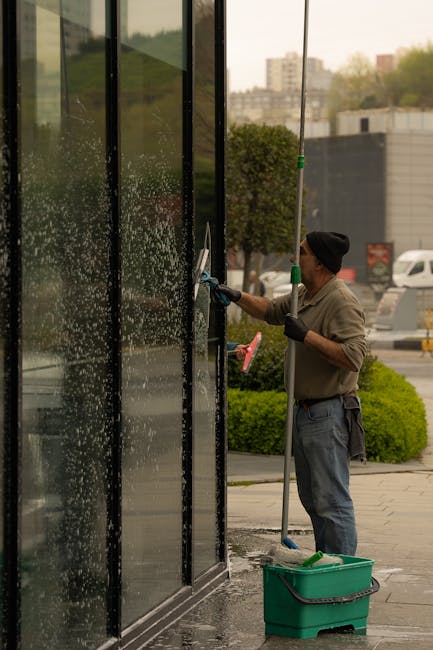
Brent Cross office cleaning for small businesses NW10: a practical guide for tidy, reliable workplaces
If you run a small business, you already know the office can quietly make or break the day. A clean reception looks sharper, a fresh-smelling meeting room helps people settle, and even the dull bits - bins, keyboards, floors, washrooms - affect how the whole place feels. Brent Cross office cleaning for small businesses NW10 is really about consistency: keeping a compact workspace presentable, healthy, and easy to work in without turning cleaning into another job for your team.
That sounds straightforward, but in real life it gets messy fast. One busy week, a bit of rain dragged in from outside, coffee near the laptop, a client visit moved forward, and suddenly the office feels tired. This article breaks down how office cleaning works for small businesses in Brent Cross and NW10, what to expect, what to ask for, and how to avoid paying for services you do not actually need.
As a useful starting point, many businesses pair regular office upkeep with occasional deeper work such as deep cleaning or specialist floor care like commercial carpet cleaning. That mix often gives the best balance between day-to-day neatness and a genuinely healthy workspace.
Table of Contents
- Why Brent Cross office cleaning for small businesses NW10 Matters
- How Brent Cross office cleaning for small businesses NW10 Works
- Key Benefits and Practical Advantages
- Who This Is For and When It Makes Sense
- Step-by-Step Guidance
- Expert Tips for Better Results
- Common Mistakes to Avoid
- Tools, Resources and Recommendations
- Law, Compliance, Standards, or Best Practice
- Options, Methods, or Comparison Table
- Case Study or Real-World Example
- Practical Checklist
- Conclusion
- Frequently Asked Questions
Why Brent Cross office cleaning for small businesses NW10 Matters
For a small business, cleaning is not just about appearances. It supports morale, protects your workspace, and reduces the little disruptions that add up over time. A clean office helps staff get on with the day without dodging dusty corners, sticky handles, or overflowing bins. It also gives clients a better first impression, which matters more than people sometimes admit.
Brent Cross and the wider NW10 area have a mix of business types, from compact offices and shared workrooms to consulting spaces, admin hubs, studios, and trade offices. Those spaces are often used hard. There may not be a dedicated facilities team, which means the business owner or office manager ends up carrying the cleaning burden. Not ideal, really.
Office cleaning also matters because the small stuff becomes noticeable quickly. A smudge on the glass door, crumbs in the kitchen, stale bin smells in the afternoon, or fingerprints on meeting room tables can make even a well-run business look a bit tired. And if the office is used by visitors, delivery drivers, or clients walking in and out all day, the standards slip faster than you'd expect.
Practical takeaway: for small offices, regular cleaning is usually less about "making things sparkle" and more about creating a stable baseline of tidiness that stops the place from drifting downhill.
If you already have carpeted areas, a reception mat, or chairs that get a lot of use, combining routine office cleaning with services like carpet cleaning or upholstery cleaning can make a noticeable difference to how the office feels day to day.
How Brent Cross office cleaning for small businesses NW10 Works
Most office cleaning arrangements are built around a simple idea: identify the tasks that need doing regularly, decide how often they need doing, and agree who handles them. The best setups are boring in the best possible way - clear, repeatable, and easy to monitor.
A cleaner may attend before opening, after closing, or during quieter periods. Some small businesses want a quick daily reset. Others prefer a two or three times a week visit. In more practical terms, the plan usually covers surfaces, floors, washrooms, bins, kitchen areas, and touchpoints such as door handles and switches. That may sound obvious, but clear task lists prevent awkward assumptions later on.
In our experience, the biggest difference between a decent clean and a genuinely useful service is scope. A vague instruction like "clean the office" is not enough. A more useful brief would specify whether the team should wipe desks, empty bins, sanitise shared equipment, mop hard floors, and tidy the kitchenette. That is where expectations stop drifting.
For businesses with shared entrances or multiple tenants, it can also be smart to consider communal area cleaning. Shared hallways, stairwells, and lobby spaces shape the whole impression before anyone even reaches your office door.
What a typical small-office clean may include
- Dusting accessible surfaces, ledges, and skirting areas
- Wiping desks, tables, counters, and reception surfaces
- Vacuuming carpets and mats
- Mopping hard floors where appropriate
- Cleaning sinks, taps, splashbacks, and kitchenette surfaces
- Emptying bins and replacing liners
- Cleaning touchpoints such as handles, light switches, and shared rails
- Refreshing washrooms and checking supplies
Some small businesses need more than a maintenance clean. If the office has been neglected for a while, has just reopened, or needs a reset after building work, a one-off service or one-off cleaning may be the better place to start.
Key Benefits and Practical Advantages
The benefits of professional office cleaning are not abstract. You notice them in the mood of the room, the smell when you walk in, and how smoothly the week runs. That may sound a bit fluffy, but it really is true.
- Better first impressions: clients and visitors tend to notice clean floors, organised desks, and fresh washrooms immediately.
- Less admin stress: office managers spend less time chasing staff to tidy up or trying to fix issues at the last minute.
- More consistent standards: a regular cleaning plan keeps the office from becoming "clean only when someone remembers."
- Healthier working conditions: dust, grime, and poor washroom hygiene are easier to control with routine attention.
- Longer-lasting furnishings: carpets, chairs, blinds, and floors usually hold up better when they are properly maintained.
- Better use of staff time: your team can focus on actual work instead of taking turns to wipe down the kitchen yet again.
There is also a quiet confidence that comes with a tidy workspace. You feel it when a client arrives unexpectedly and you do not have to rush around hiding mugs and paper stacks. It is a small thing, but small businesses live in the small things.
For offices with hard flooring, regular maintenance can be supported with hard floor cleaning. If you want a more intensive reset from time to time, regular cleaning can be paired with deeper periodic work rather than trying to do everything in one go.
Who This Is For and When It Makes Sense
This service is especially sensible for small businesses that need a professional standard without the overhead of an in-house cleaner. That includes professional services firms, local agencies, small consultancies, start-ups, clinics, studios, accountants, design teams, and hybrid offices where staff come and go through the week.
It also makes sense when the office is small but busy. A tiny workspace can actually be harder to keep tidy than a larger one because every surface gets used. One coffee spill on a shared desk can spread across several workstations if nobody sorts it out promptly. Not glamorous, I know. Very real though.
You may also need a more structured cleaning plan if:
- clients regularly visit the office
- staff share kitchens or washrooms
- the office hosts meetings or interviews
- your team works long hours and snacks at desks
- the space includes carpets, fabric chairs, or high-traffic floors
- you are in a building with shared access, lifts, or reception spaces
If you are still deciding whether a light service or a more thorough reset is needed, it can help to look at the condition of the space honestly. If the office looks fine in the morning but feels grubby by lunchtime, you probably need routine cleaning. If the office looks generally tired, then a deeper first visit may be a better investment.
And yes, there is a point where trying to "just do it in-house" becomes a false economy. Someone always ends up doing the tea point. Always.
Step-by-Step Guidance
If you are setting up Brent Cross office cleaning for small businesses NW10 from scratch, keep the process simple. Good cleaning systems are built on clarity, not optimism.
- Walk the space. Look at the office as a visitor would. Note the entrance, desks, kitchen, washroom, floors, and any awkward corners.
- List the priority tasks. Separate daily tasks from weekly or occasional ones. A bin emptying task may be daily, while window cleaning may be occasional.
- Decide the frequency. Small offices usually need a combination of regular cleaning and periodic deeper work.
- Set the standard. Be specific about what "clean" means for your office. Fresh bins? Clear desks? Sanitised kitchen counters? Spell it out.
- Check access and timing. Think about keys, alarms, opening hours, and whether the cleaner should attend before staff arrive or after they leave.
- Agree on product use. If there are sensitive surfaces, electronics, or sustainability preferences, say so early.
- Review after the first visits. A short check-in can fix small issues before they become annoying habits.
That review step is underrated. A lot of office cleaning problems are not really "problems" so much as mismatched expectations. A quick conversation early on saves a lot of shrugging later.
Where carpets are involved, it is worth planning a refresh cycle that includes steam carpet cleaning if the material and condition suit it. For larger changes or new occupancy, move-in cleaning can be useful before staff settle in.
Expert Tips for Better Results
Small offices work best when the cleaning routine supports how the team actually uses the space. That means watching habits, not just rooms. For example, if the kitchen is always the messiest area by 3 p.m., then the frequency may need adjusting or the bin setup may need improving. The office is telling you something, basically.
- Use zones, not vague instructions. "Kitchen area," "client-facing area," and "staff zone" are easier to manage than one giant cleaning list.
- Protect high-touch spots. Door handles, switches, fridge doors, and taps get handled repeatedly, so they deserve extra attention.
- Do not ignore the smell test. Sometimes a room looks clean but still feels stale. That is often bins, fabric, or hidden dust.
- Schedule a deeper clean before busy periods. If your office has seasonal peaks, prepare before the pressure hits.
- Keep desk clutter under control. Cleaning around papers, cables, and personal bits is awkward and slower than people think.
A simple but useful habit is keeping a short internal note after each clean: what looked good, what needs more attention, and what should be left alone. That little record prevents drift. It is dull, yes, but very effective.
If the office has fabric seating or waiting-room furniture, occasional sofa cleaning or broader upholstery cleaning can keep the place feeling fresher for longer. Nice chairs matter more than people think.
Common Mistakes to Avoid
Most office cleaning issues are preventable. The trouble is that small businesses often make the same mistakes because they are trying to save time at the beginning. Then the service becomes awkward, inconsistent, or more expensive than it needed to be.
- Being too vague. "Just clean the office" is not a usable brief.
- Expecting one visit to fix everything. If the office is genuinely untidy, it may need a deeper first clean before maintenance begins.
- Ignoring access issues. Late arrivals, missing keys, or unclear alarm codes can create delays and frustration.
- Mixing staff tidying with professional cleaning. If everyone assumes someone else will do it, the office slips quickly.
- Skipping periodic deeper work. Regular cleaning alone will not always deal with carpets, corners, or buildup around edges.
- Choosing solely on price. The cheapest option can turn out expensive if it misses the areas that matter.
One particularly common mistake is failing to separate "surface tidy" from "proper clean." They are not the same thing. A neat desk can still sit in a room with dusty skirting, a grimy sink, and floors that look tired under the light. You know the look. We all know the look.
For offices with newer renovations or post-fit-out dust, you may need support from after builders cleaning. That is a different job from routine maintenance and usually needs more targeted attention.
Tools, Resources and Recommendations
For small businesses, the best cleaning setup is usually a modest one done well. You do not need a cupboard full of complicated kit. You do need the right basics, sensible storage, and a clear routine.
| Area | Best approach | Why it helps |
|---|---|---|
| Reception | Frequent wiping, glass care, and tidy entrances | First impressions are made here, quickly |
| Kitchenette | Daily surface cleaning and bin management | Prevents smells and sticky build-up |
| Washrooms | Regular sanitising and replenishment checks | Essential for comfort and hygiene |
| Carpets | Routine vacuuming plus periodic specialist treatment | Reduces dullness and trapped dirt |
| Hard floors | Dry debris removal plus correct mopping method | Protects appearance and slip safety |
| Shared furniture | Vacuuming and upholstery care as needed | Extends the life of chairs and soft seating |
For office managers, a short cleaning log can be one of the most useful tools around. It need not be fancy. Just a simple note of frequency, key tasks, and any recurring issues. That makes handovers easier too, especially in small teams where roles change often.
It can also be worth reviewing the business's policy documents alongside operational planning. Pages such as health and safety guidance, insurance and safety information, and recycling and sustainability give a clearer picture of how the service should be managed.
Law, Compliance, Standards, or Best Practice
For office cleaning in a small business setting, compliance is mostly about sensible workplace hygiene, safe working practices, and clear communication. You do not need to turn the office into a legal project, but you do need to treat cleaning as a real operational task rather than an afterthought.
In UK workplaces, employers generally need to keep work areas reasonably clean and safe, and that includes toilets, break areas, floors, and shared surfaces. The exact requirements vary by workplace type, risk level, and building layout, so it is sensible to follow a documented cleaning routine and keep records where appropriate. If you have staff with allergies, asthma, or sensitivities, it is wise to think carefully about products, ventilation, and frequency.
It is also good practice to ask about insurance cover, safer access methods, product handling, and who is responsible for what. That is why pages like terms and conditions and payment and security information matter more than they first appear to. They are not exciting reading, but they do reduce confusion.
If your office sits within a shared building, you may also need to co-ordinate with building management on access, waste handling, and cleaning times. Small details, but they matter. A cleaner arriving at the wrong time can cause more disruption than no cleaner at all.
Options, Methods, or Comparison Table
There is no single "best" way to clean a small office. The right approach depends on use, foot traffic, and how presentable the space needs to be. Here is a simple comparison that may help.
| Option | Best for | Strengths | Limitations |
|---|---|---|---|
| Light regular cleaning | Small offices with steady daily use | Keeps the office neat and predictable | May not fix deeper dirt or worn carpets |
| Regular cleaning plus periodic deep cleaning | Most small businesses | Balanced, flexible, and practical | Requires a bit more planning |
| One-off clean followed by maintenance | New offices or neglected spaces | Resets the workspace properly | Needs a clear follow-up plan |
| Specialist add-ons for carpets/furniture | Busy client-facing offices | Improves appearance and freshness | Extra cost and occasional downtime |
For many small businesses, the most sensible setup is regular office cleaning with occasional specialist support. For example, a reception-heavy office might keep the daily routine simple and then schedule window cleaning and carpet refreshes less often. That keeps things manageable without making the place feel neglected.
Case Study or Real-World Example
Here is a realistic scenario. A small professional office in NW10 has six staff, a compact kitchen, one washroom, carpet in the client area, and a shared entrance. At first, the team tried doing cleaning themselves on a rota. It worked for a while. Then somebody went on holiday, another person forgot, and the kitchen bin became, frankly, a bit of a character in its own right.
Once the business switched to a scheduled cleaning arrangement, the change was immediate. The office felt brighter at opening time, the kitchen stopped drifting into that odd midweek smell, and the carpet no longer looked dark around the edges by Friday. Nothing dramatic. Just calmer, better. Clients noticed too, though they did not make a big speech about it, obviously.
What made the biggest difference was not a fancy product. It was consistency. The cleaner knew the routine, the business knew what to expect, and the office manager stopped firefighting small messes every afternoon. That freed up time for actual work, which is usually the whole point.
In situations like this, adding a one-off reset through one-off cleaning before moving into a routine plan can help establish a proper baseline. After that, the maintenance visits do the lighter work.
Practical Checklist
Use this checklist if you are setting up or reviewing a small-office cleaning plan in Brent Cross or NW10.
- Have you listed every key area: reception, desks, kitchen, washroom, storage, and entrance?
- Do you know what gets cleaned daily, weekly, and occasionally?
- Have you agreed access times, keys, and alarm procedures?
- Are carpets, upholstery, and floors included where relevant?
- Have you set expectations for bins, touchpoints, and shared equipment?
- Do you have a plan for deeper seasonal or periodic cleaning?
- Have you checked product suitability for sensitive surfaces or allergies?
- Is there a simple way to flag issues after each visit?
- Do you know where the service terms, safety, and payment details sit?
- Are shared building or communal areas being considered too?
If you can tick most of those boxes, you are already ahead of many small offices. Truth be told, that is often enough to prevent the usual cleaning drift.
Get a free quote today and see how much you can save.
Conclusion
Brent Cross office cleaning for small businesses NW10 works best when it is simple, reliable, and matched to the reality of a small workspace. You do not need an overcomplicated plan. You need the right tasks, the right frequency, and a routine that keeps the office feeling presentable without stealing time from the business itself.
The strongest setups are usually the quietest ones: no drama, no guesswork, just a place that feels looked after. And that matters more than people think. A clean office is easier to work in, easier to welcome visitors into, and easier to be proud of on a Monday morning when the week is just starting.
If you are weighing up regular maintenance, a one-off reset, or a deeper clean to get things back on track, the sensible next step is to map your space honestly and choose the level of service that fits. Small businesses do best when the office supports the work, not the other way around.
And if you can walk in tomorrow, take one breath, and think, "Yes, this feels sorted," that is a good sign you have it right.
Frequently Asked Questions
What does Brent Cross office cleaning for small businesses NW10 usually include?
It usually includes dusting, vacuuming or mopping, bin emptying, wiping surfaces, cleaning kitchen and washroom areas, and tidying common touchpoints. The exact scope depends on the office and how it is used.
How often should a small office be cleaned?
That depends on foot traffic and how client-facing the space is. Some offices need daily attention, while others are fine with two or three visits a week plus occasional deeper cleaning.
Is regular office cleaning enough for a small business?
Often, yes, for day-to-day upkeep. But regular cleaning alone may not deal with deeper carpet dirt, upholstery build-up, or areas that need a reset now and then.
What is the difference between office cleaning and deep cleaning?
Office cleaning is usually maintenance-focused. Deep cleaning is more detailed and tackles buildup, edges, awkward spots, and areas that are not covered in the everyday routine.
Do small offices need specialist carpet cleaning?
If the office has carpeted floors, specialist cleaning can help preserve appearance and remove embedded dirt. It is especially useful in reception spaces or high-traffic walkways.
Can office cleaning be done outside business hours?
Yes, and for many small businesses that is the most practical option. Early mornings, evenings, or quieter periods help reduce disruption.
What should I ask before booking office cleaning?
Ask what is included, how often visits are recommended, whether the team can handle carpets or upholstery, what access is needed, and how issues are reported.
Is office cleaning worth it for a very small team?
Usually, yes. Even a tiny team benefits from a consistent clean, especially if the space is client-facing or shared throughout the day. It saves time and keeps standards steady.
How do I know if my office needs a one-off clean first?
If the office looks tired, has visible buildup, or has not had proper cleaning in a while, a one-off clean can create a better starting point before routine maintenance begins.
What if my office has a shared entrance or communal areas?
Then those spaces should be considered too, because they affect the first impression and day-to-day cleanliness. Shared access areas often need their own plan, not just the office interior.
How can I keep cleaning standards consistent between visits?
Use a simple checklist, make access instructions clear, and review the first few visits carefully. A short feedback loop usually prevents small issues from becoming recurring ones.
Where can I learn more about the service and company details?
Helpful pages include about us for background, pricing and quotes for budgeting, and contact us if you want to make an enquiry. If you want to understand service expectations in more detail, the commercial cleaning page is also a sensible place to look.